
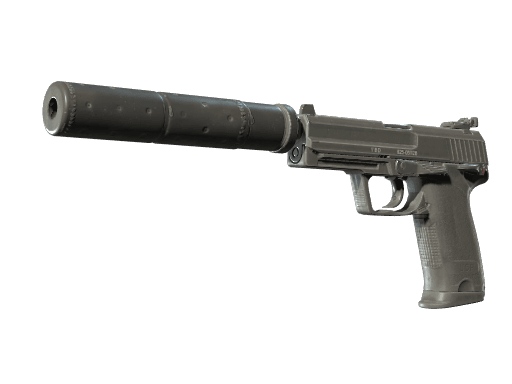
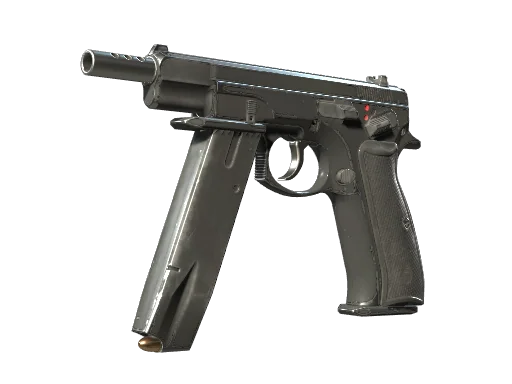
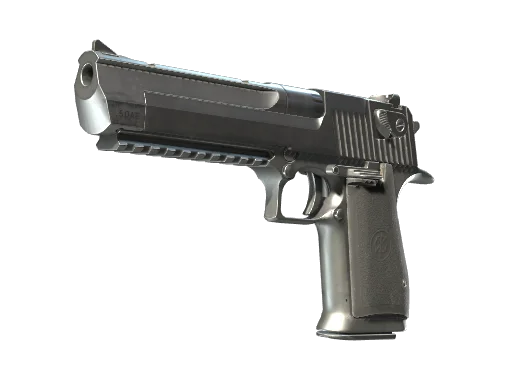

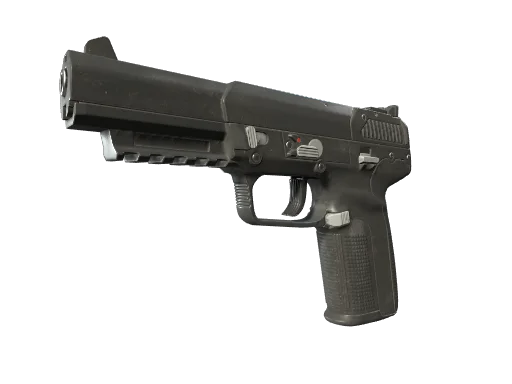


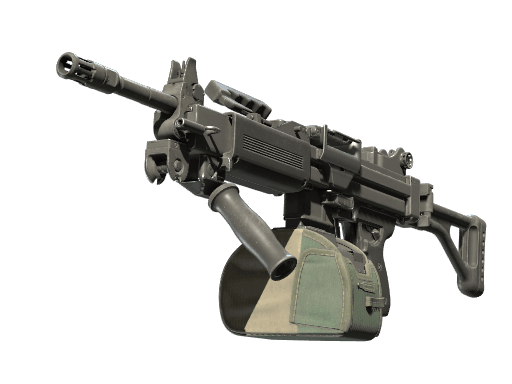
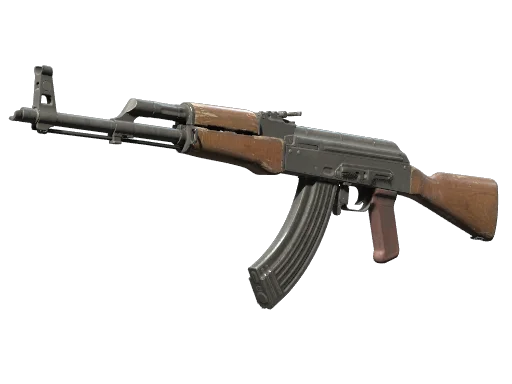
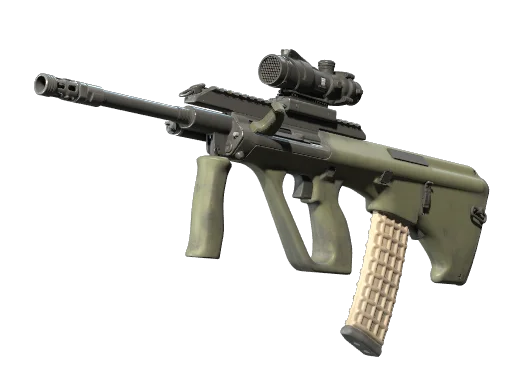
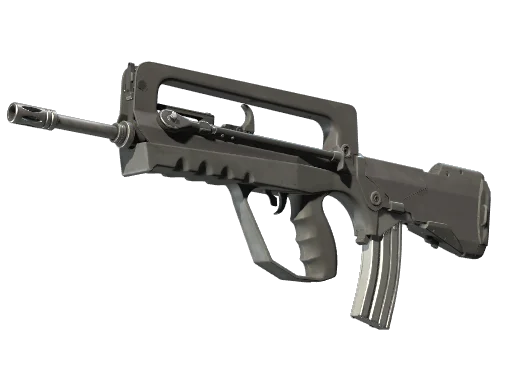
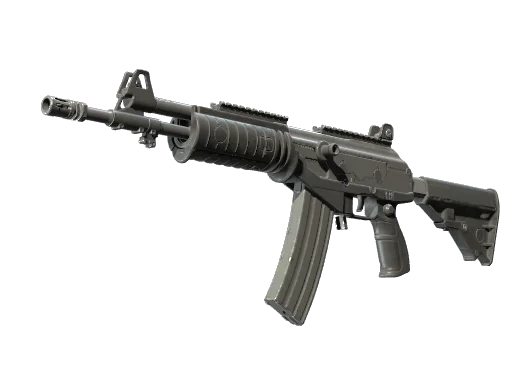
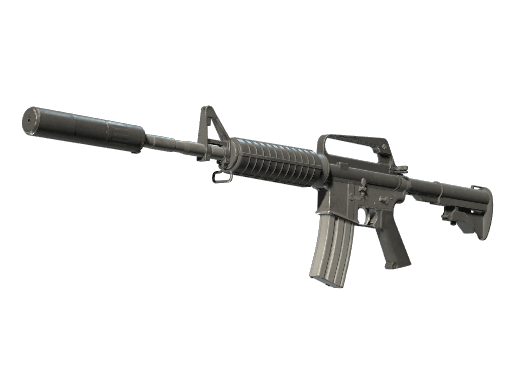
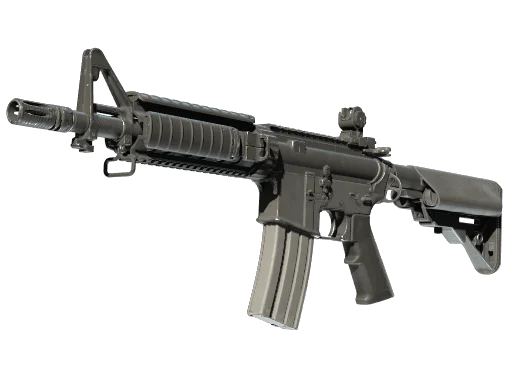
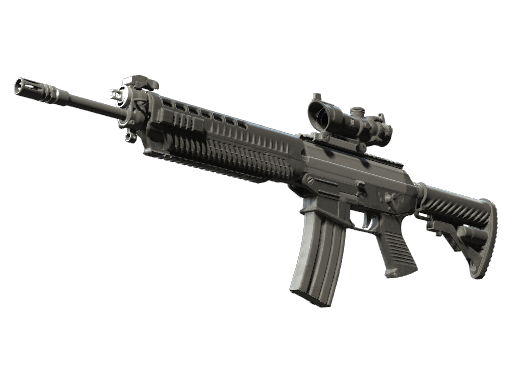
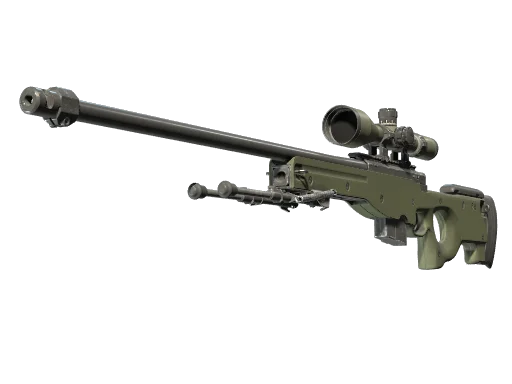
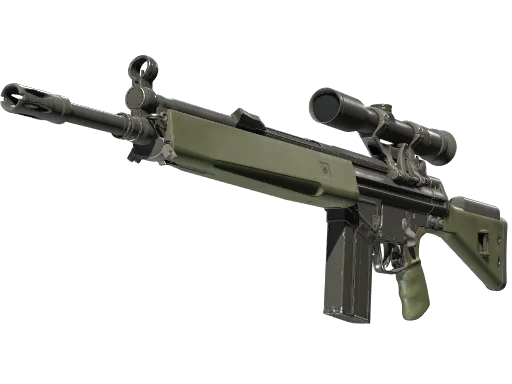
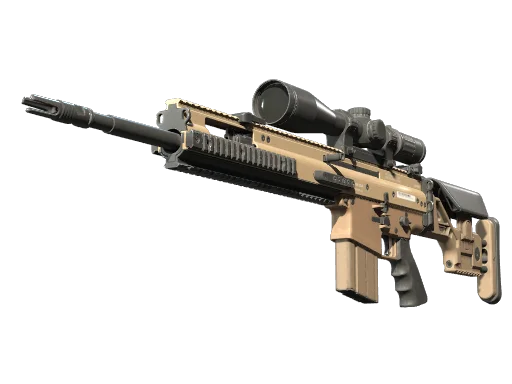
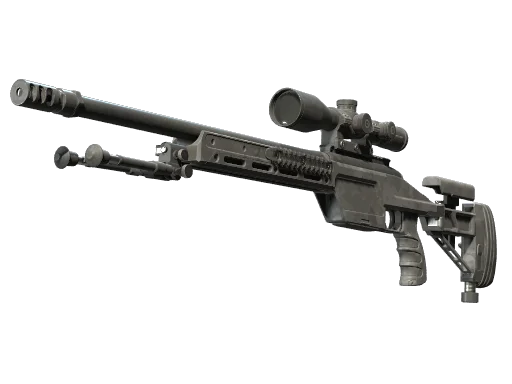
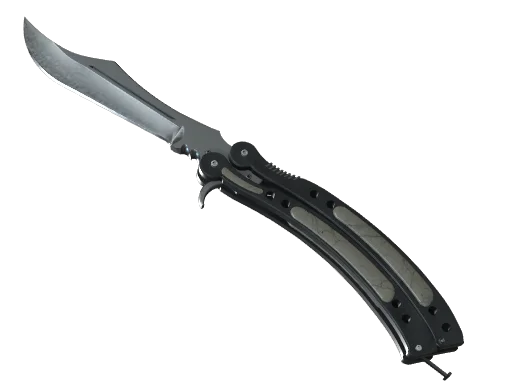
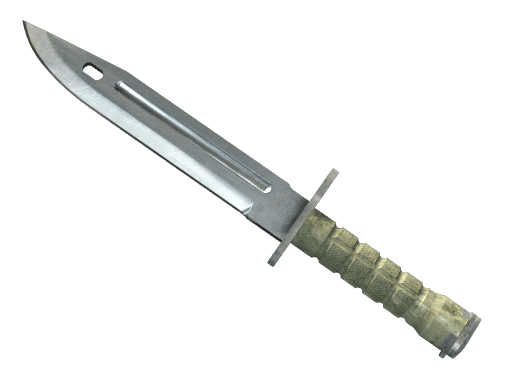
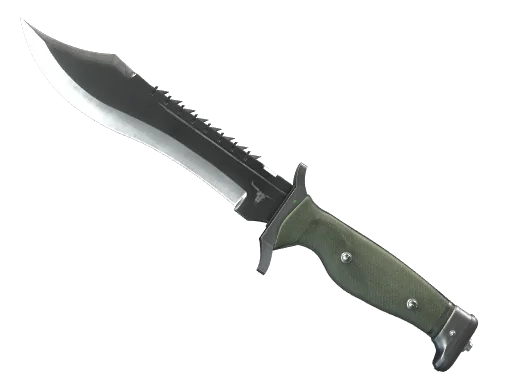
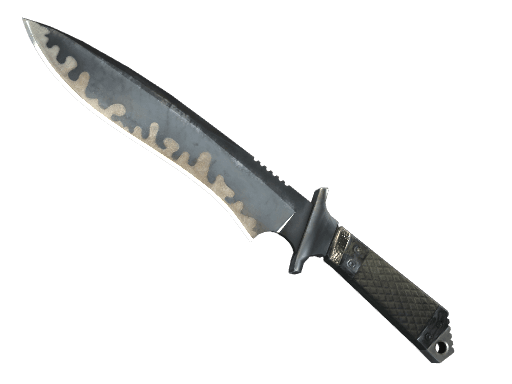
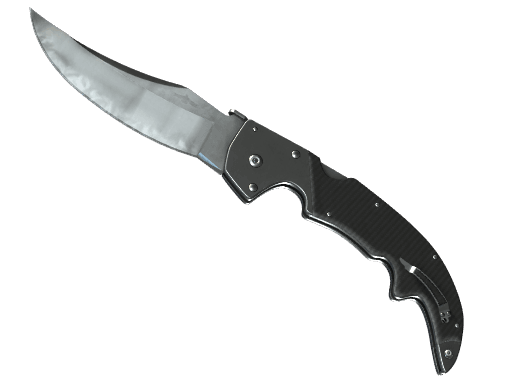
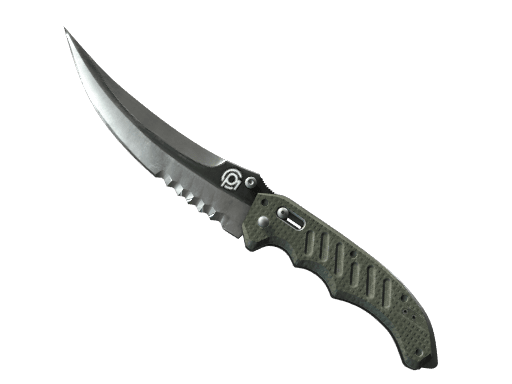

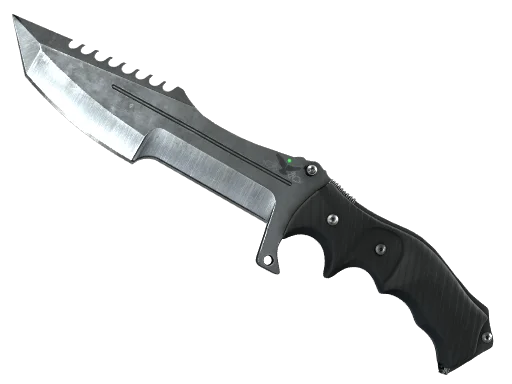
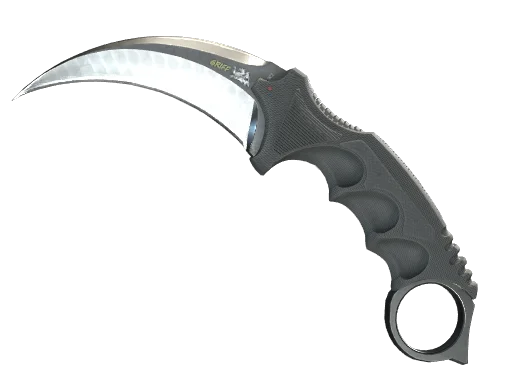
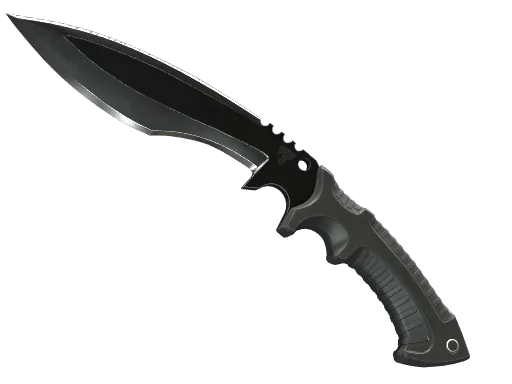

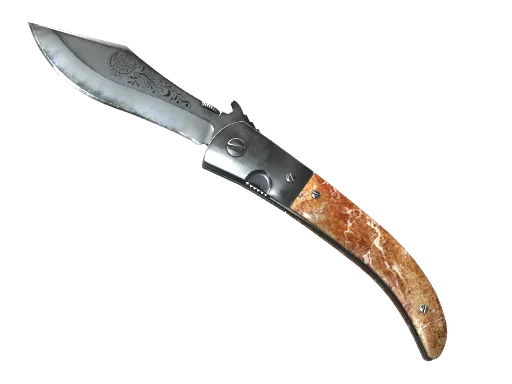
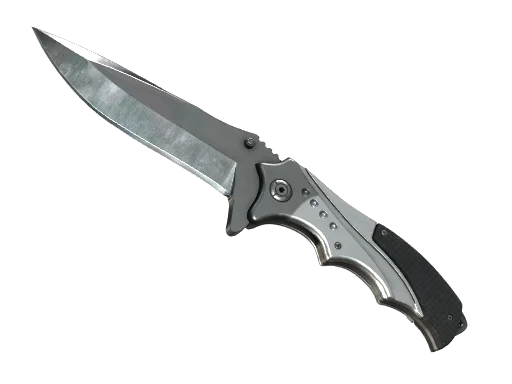
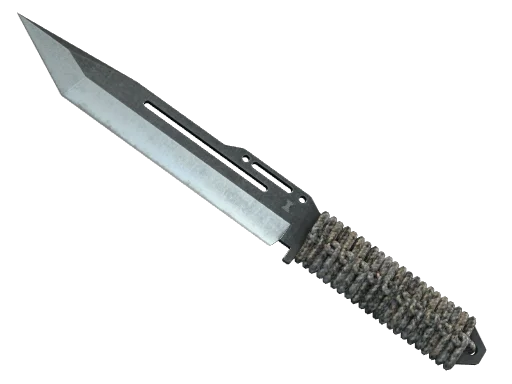
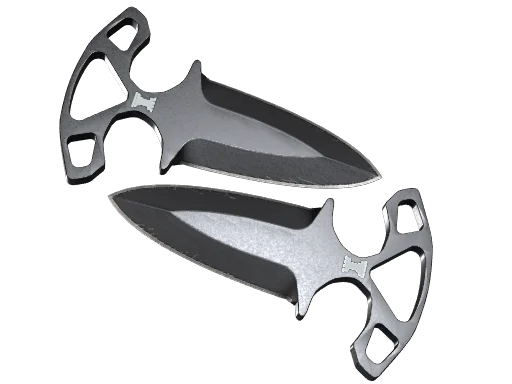
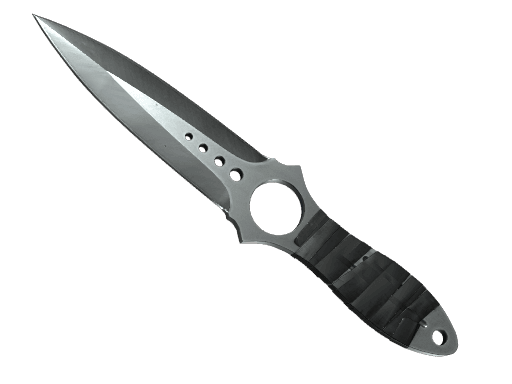
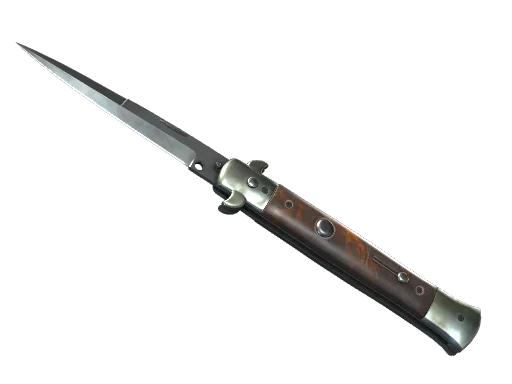
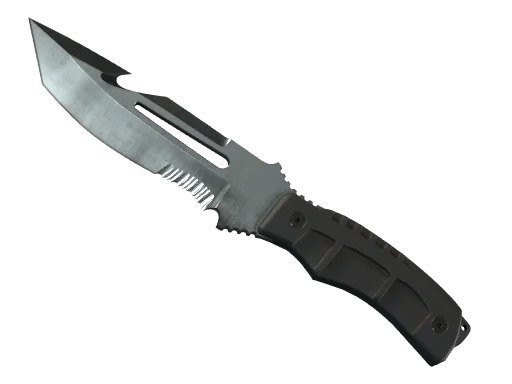
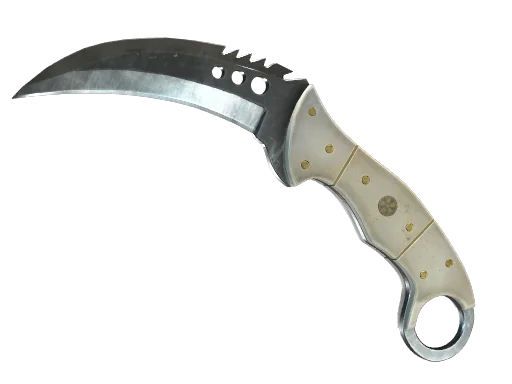
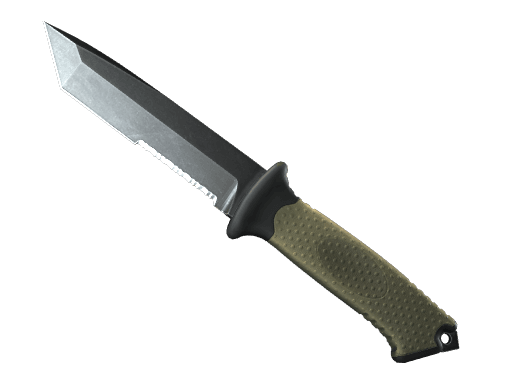
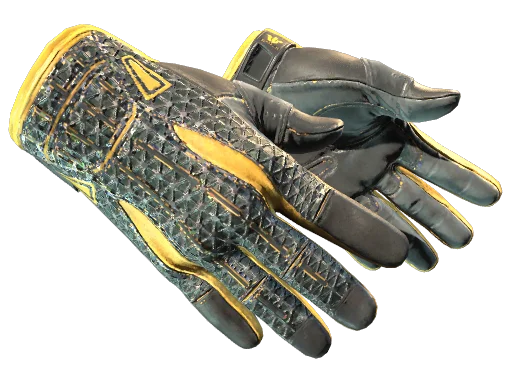
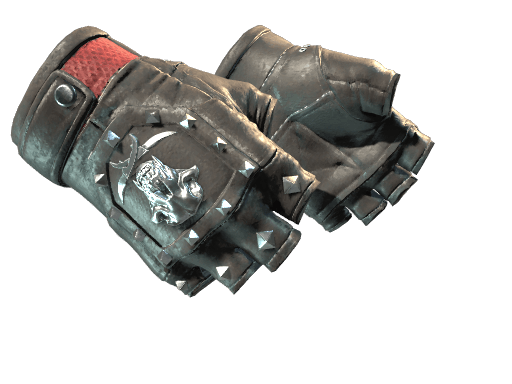
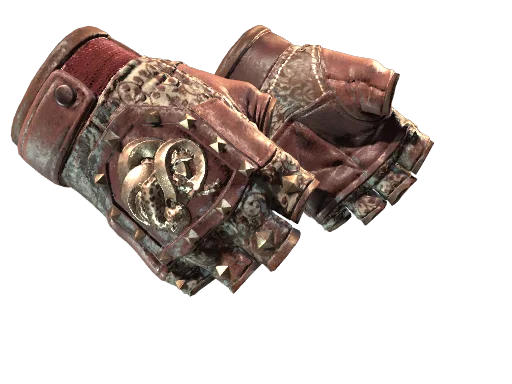
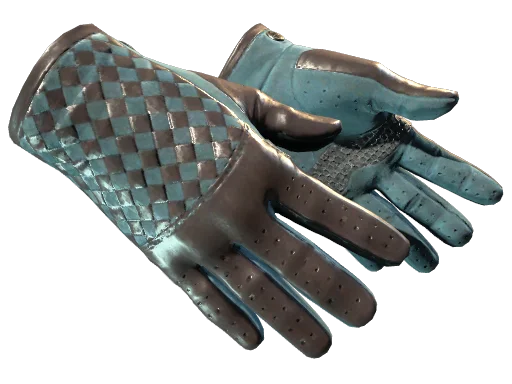
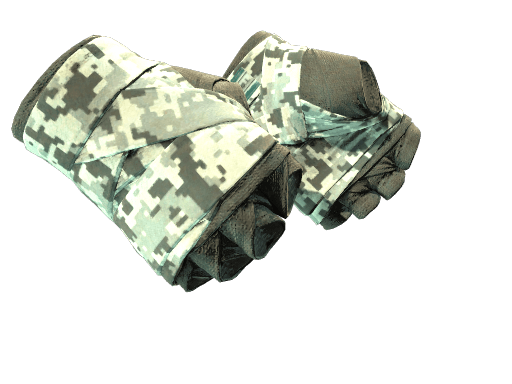
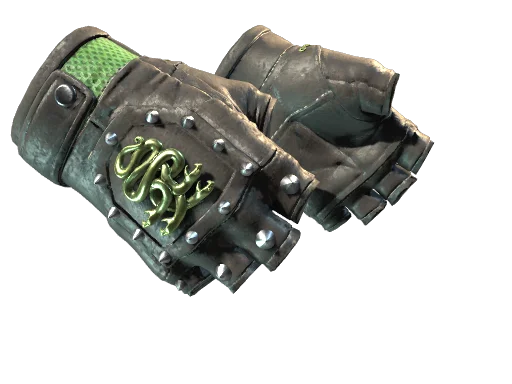























































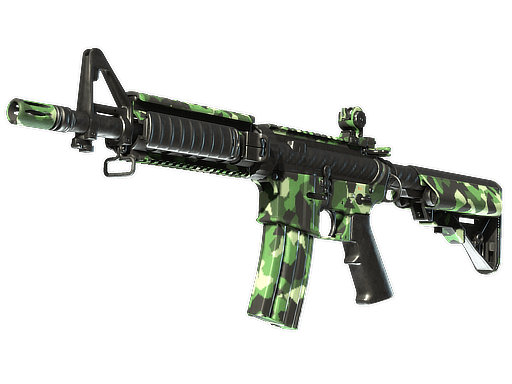
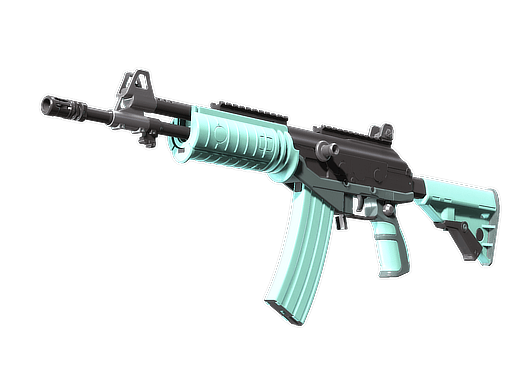
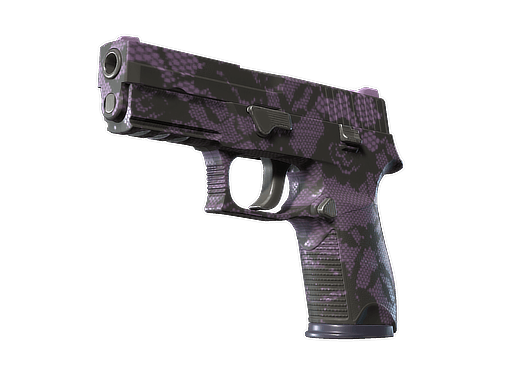
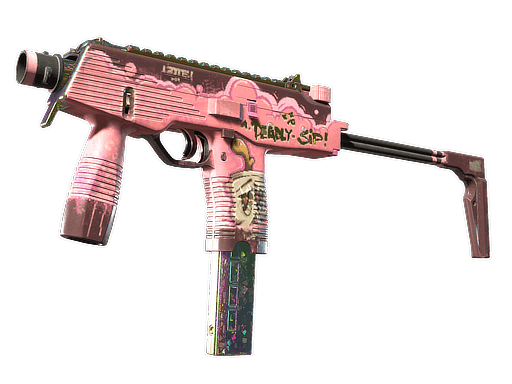

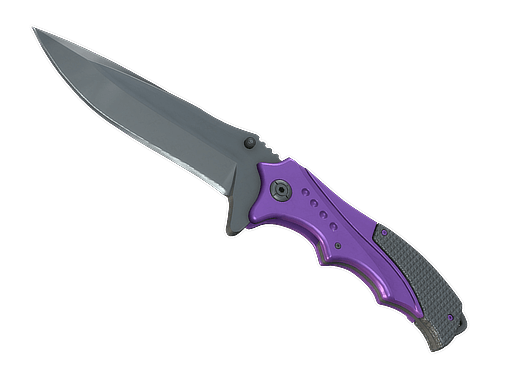
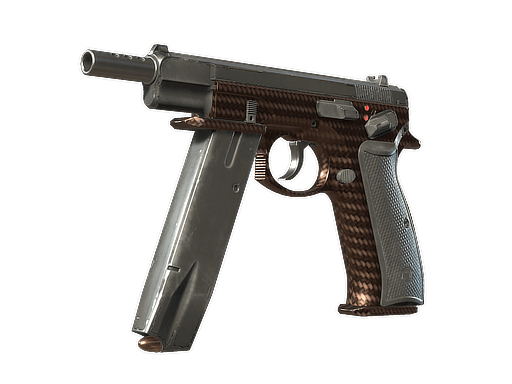

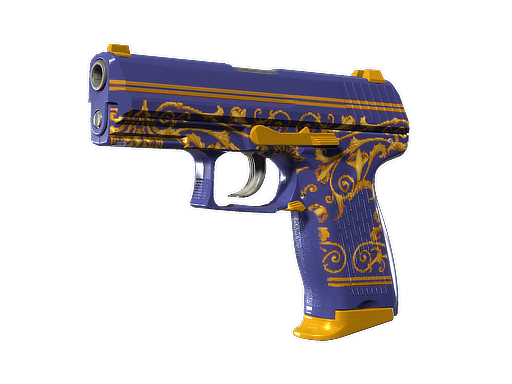

Counter-Strike skins didn’t just change how weapons look, they completely transformed how players engage with the game. What started as simple cosmetic experiments turned into a global digital economy worth billions.
In this guide, we’ll walk through the full evolution of Counter-Strike skins, from their humble beginnings to today’s ultra-rare CS2 collectibles worth more than real cars (and sometimes houses).
Whether you’re new and asking what are CSGO skins, or a veteran curious about CSGO skin prices over time, this is your complete, no-fluff CSGO skin history guide.
What Are CSGO Skins? (Quick Refresher)
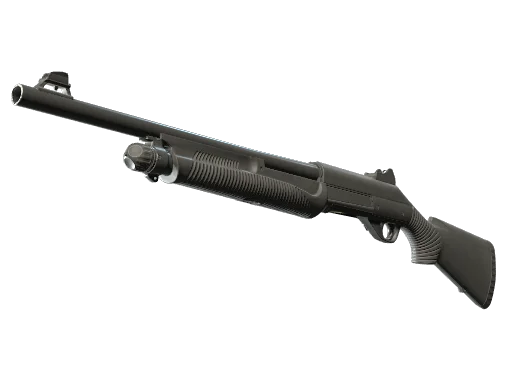
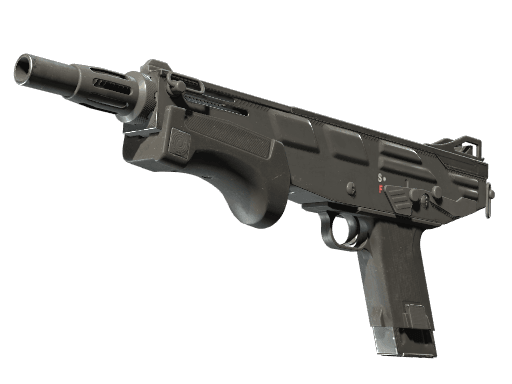
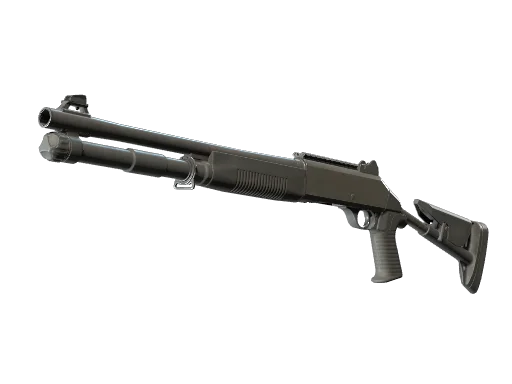
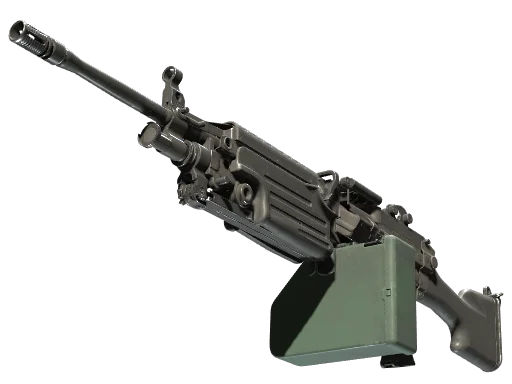
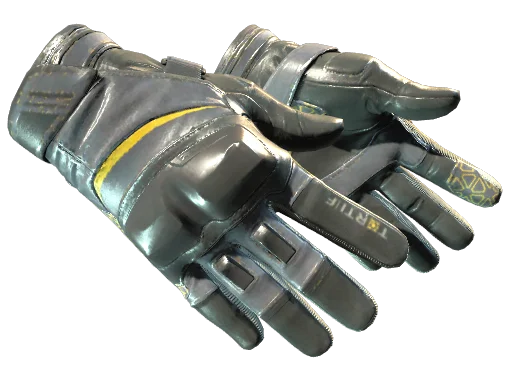
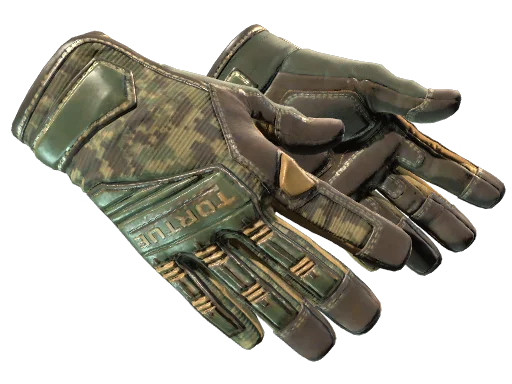
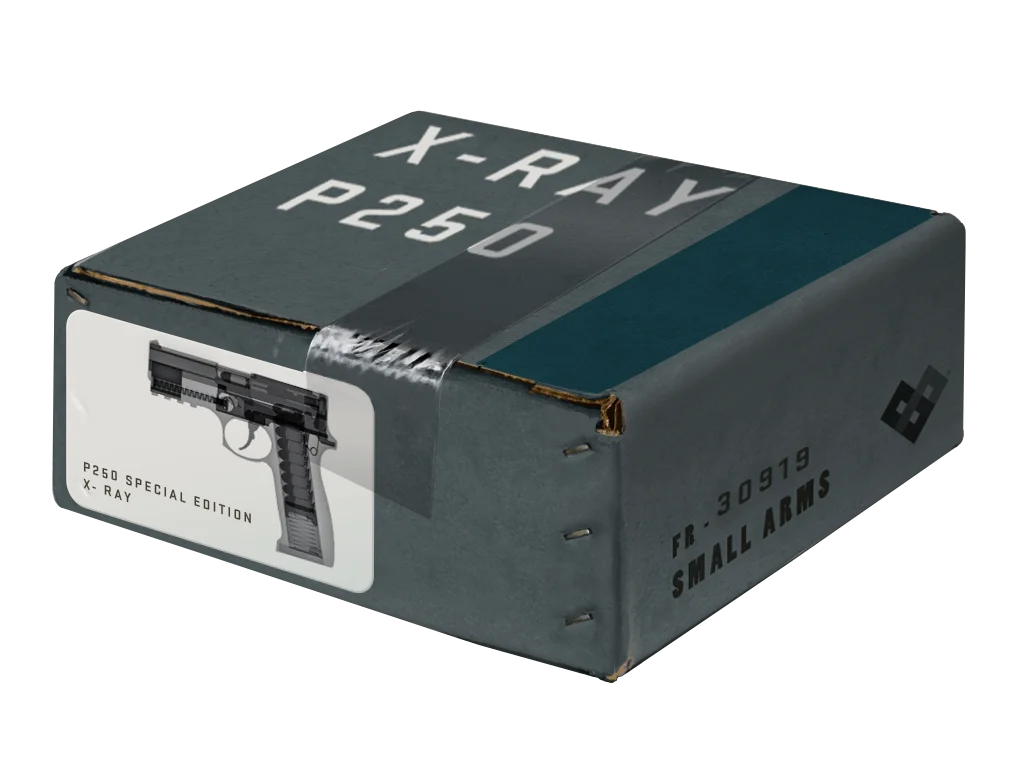
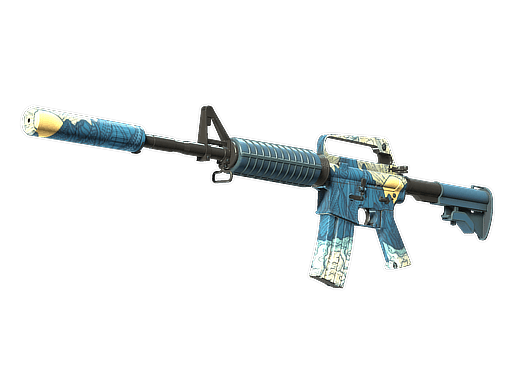
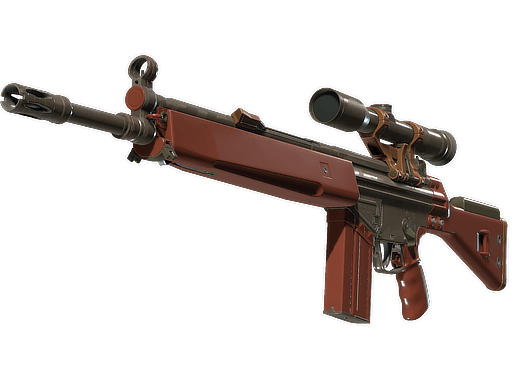
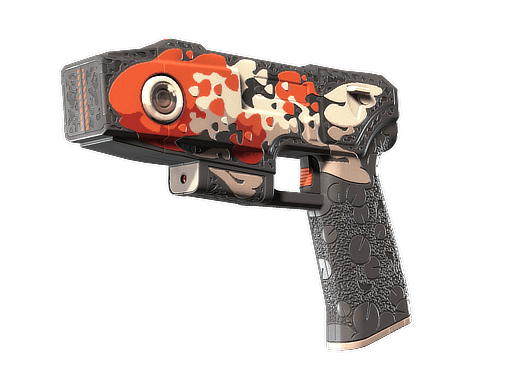
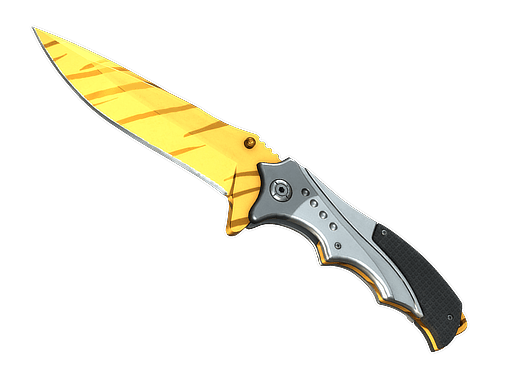
CSGO skins are cosmetic weapon finishes that change how guns look without affecting gameplay. They don’t boost damage, accuracy, or recoil — skins are purely visual.
Each skin can have:
- Different wear levels (Factory New → Battle-Scarred)
- A unique float value
- Optional StatTrak™
- Stickers, patterns, and rare variations
If you’re brand new to skins, our CS2 Beginner Guide is a great place to start learning the basics before diving deep.
Before Skins: Counter-Strike’s No-Cosmetics Era (1999–2013)
For over a decade, Counter-Strike had:
- Zero skins
- Zero trading
- Zero cosmetic economy
Every AK-47 looked the same. Every AWP was identical. Skill was the only flex.
Valve experimented with customization in other games, but Counter-Strike stayed purely competitive — until everything changed in 2013.
The First CSGO Skins (2013): The Arms Deal Update
October 2013 — The Birth of Skins
The Arms Deal Update introduced:
- Weapon skins
- Random drops
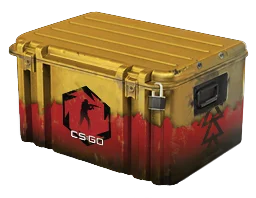
- Cases and keys
- Trading between players
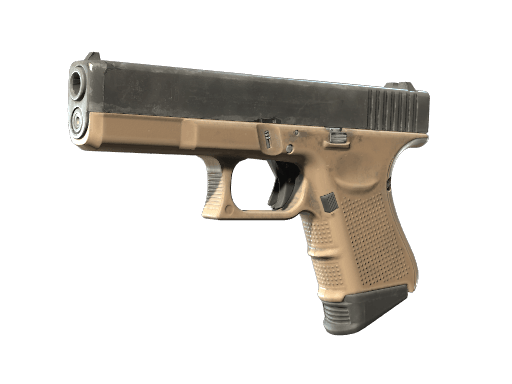
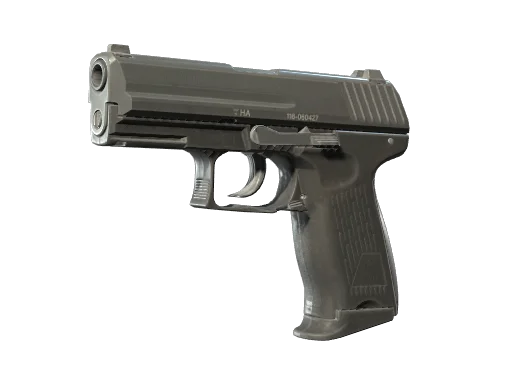
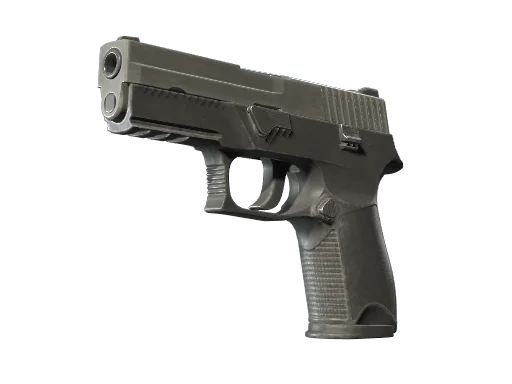
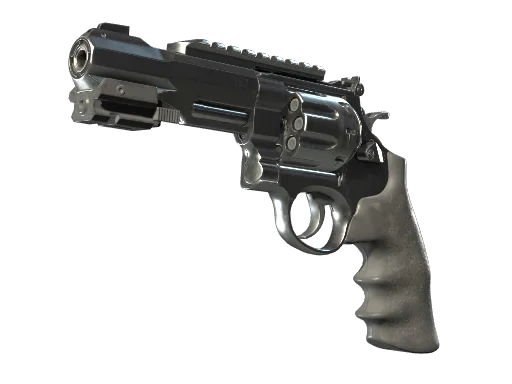
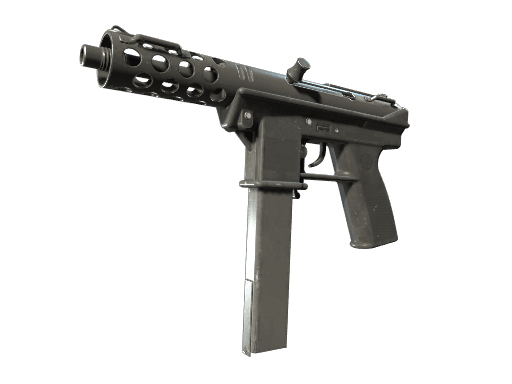
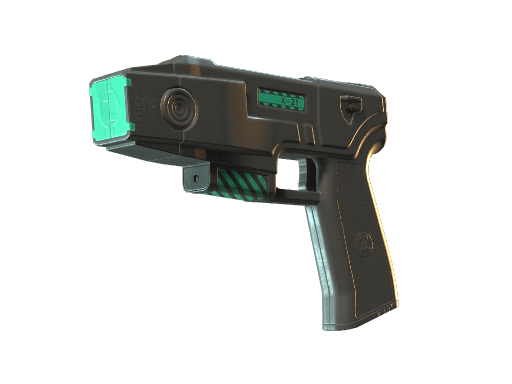
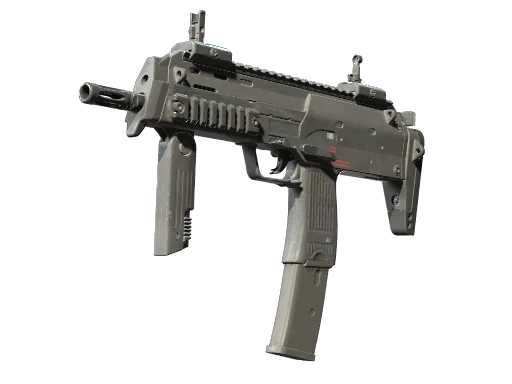
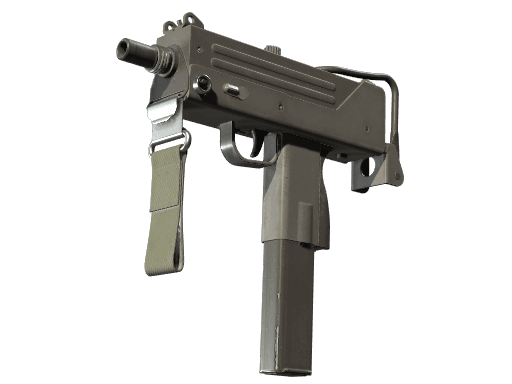
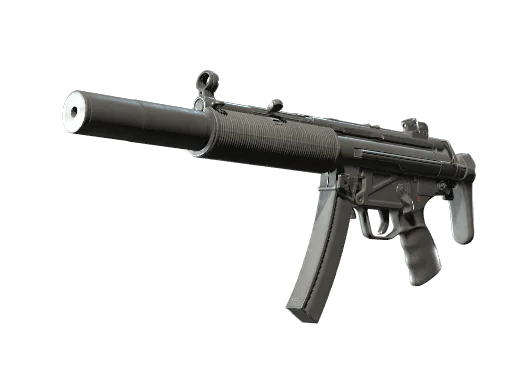
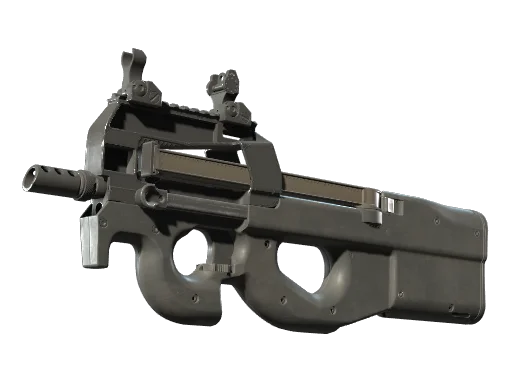
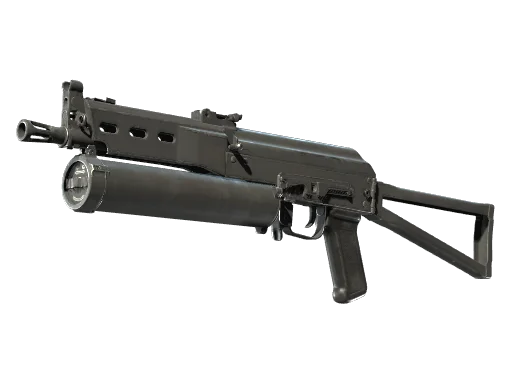
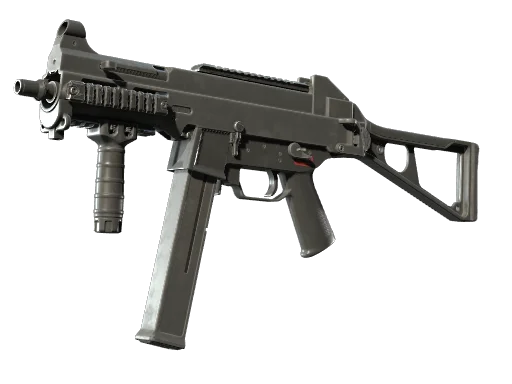
This update introduced the first CSGO skins, including now-iconic names like:
At the time, players mostly thought:
“Cool… but why would I pay for this?”
No one imagined what was coming next.
Early CSGO Skin History (2013–2015): Discovery Phase
During the early years:
- Skins were cheap
- Rarity wasn’t fully understood
- Many players deleted or traded rare skins for cents
Key Developments
- Introduction of wear ratings
- Early community skin creators
- First high-tier knives appear
- Steam Market begins stabilizing prices
This period laid the foundation for today’s CSGO item history — before speculation and investing exploded.
The Rise of Knives, Rarity & Hype (2015–2017)
This is when skins stopped being “just cosmetics.”
What Changed?
- Knives became ultra-rare status symbols
- Doppler, Fade, and Case Hardened patterns created visual gambling
- Streamers popularized case openings
Some players unboxed knives worth thousands today — and sold them for $80 back then.
If you’re curious how knife rarity evolved, our guide on CS2 Knife Types explains why certain blades dominate the market.
The Skin Economy Explodes (2017–2020)
By this point:
- Skins were full-on digital assets
- Trading became a meta game
- Third-party marketplaces emerged
Major Milestones
- Introduction of trade holds
- Skin investing becomes mainstream
- Rare skins stop being opened → supply freezes
- High-profile sales make headlines
This era defined modern CSGO skin prices over time, with long-term appreciation becoming obvious.
COVID Era Boom & Skin Investing (2020–2022)
With millions stuck at home:
- Player numbers surged
- Case openings skyrocketed
- Skin demand exploded
Prices of discontinued collections doubled or tripled.
Some skins increased 10x+ in under two years.
This is when people stopped asking “Are skins worth anything?”
…and started asking “Is this a better investment than crypto?”
The CS2 Transition: A Visual Reset (2023–Present)
When Counter-Strike 2 launched, skins entered a new chapter.
What CS2 Changed
- New Source 2 lighting engine
- Better reflections and materials
- Some skins look drastically better
- A few skins look worse
This caused:
- Market volatility
- Re-evaluation of older skins
- Renewed interest in clean finishes
Our CS2 vs CSGO comparison covers exactly how the engine shift impacted visuals and gameplay.
CSGO Skin Prices Over Time
| Era | Market Trend |
| 2013–2014 | Cheap, undervalued |
| 2015–2016 | Discovery & hype |
| 2017–2019 | Market maturity |
| 2020–2022 | Explosive growth |
| 2023–Now | CS2-driven reset |
Want real examples? Check out the most expensive CS2 skins ever sold.
Why Some Skins Are Worth Millions
Several factors drive insane valuations:
Rarity
Discontinued collections mean limited supply forever.
Float & Condition
Ultra-low floats can multiply value dramatically.
Stickers
Especially old Major stickers — some are worth more than the gun.
Provenance
Skins owned or used by pro players gain prestige.
If you follow pros, the s1mple CS2 settings guide is a fan favorite.
The Role of Community Creators
One of Counter-Strike’s biggest strengths:
- Skins are designed by players
- Artists earn revenue
- Community taste shapes the market
This keeps the ecosystem fresh and prevents stagnation.
Is the Skin Economy Safe Long-Term?
No one can predict the future — but Counter-Strike skins have survived:
- Market crashes
- Game transitions
- Regulatory pressure
- Engine upgrades
Very few digital items have lasted over 10+ years with increasing value.
If you’re interested in trading or investing, the CS2 trade-up calculator can help reduce risk.
CSGO Skin Guide: Tips for New Players
If you’re just starting:
- Don’t rush expensive purchases
- Learn wear ratings and floats
- Avoid hype-only skins
- Stick to skins you actually like using
- Never invest money you can’t lose
For beginners, pairing skins with performance tweaks matters more — check how to change your crosshair in CS2 to start smart.
Final Thoughts: Why Skins Matter in Counter-Strike
Skins turned Counter-Strike from:
“Just a competitive shooter”
into
“A cultural phenomenon with its own economy.”
They don’t change how you play — but they absolutely change how the game feels.And judging by CS2’s momentum, the evolution of Counter-Strike skins is far from over.


