









































































CS2 Weapon Stats: The Ultimate Damage, Recoil & Mechanics Guide
Understanding CS2 weapon stats is the difference between a lucky frag and a calculated kill. While the game simplifies the buy menu, the underlying numbers—from armor penetration to inaccuracy running—dictate every engagement’s outcome. This guide cuts through the noise, offering a professional breakdown of every critical statistic, explaining not just what they are, but how to leverage them to dominate your matches. We’ll translate raw data into actionable strategies, turning you from a player who shoots into a player who wins.
Understanding Core Damage Mechanics: Beyond the Bullet
At its heart, CS2 is a game of numbers. Every weapon’s effectiveness is determined by a set of interlocking stats that define its power and optimal use case.
Damage per shot is the base damage a bullet deals at point-blank range to an unarmored opponent. However, this number is modified by several key factors:
- Headshot Multiplier: This critical value determines a weapon’s one-tap potential. A high multiplier (like the AK-47’s 4x) means a fatal headshot against helmeted opponents within its accurate range.
- Armor Penetration: Expressed as a percentage, this stat determines how much damage is negated by a victim’s Kevlar and helmet. A weapon with 90% armor penetration (like rifles) is far more effective against armored foes than a pistol with 50% penetration.
- Damage Falloff: Damage decreases over distance. The falloff @ 500U statistic shows how much a weapon’s damage drops at a range of 500 units (a common distance for mid-to-long range duels). Understanding this is key to knowing your fatal headshot range with each gun.
Calculating your time-to-kill (TTK) requires synthesizing these stats with your weapon’s rate of fire, making it the ultimate measure of a weapon’s raw dueling potential.
Recoil Patterns and Weapon Handling: Mastering Control
Recoil is the defining challenge of CS2’s gunplay. It’s not random; it’s a predictable pattern you must learn to counteract.
- Recoil Amount & Angle: This defines the pattern’s overall size and direction. The AK-47 has a high recoil amount and a specific vertical then rightward recoil angle.
- Recoil Variance: A small amount of randomness is added to each shot’s placement within the overall pattern, preventing perfect robotic laser beams.
- Inaccuracy Values: This is often the most misunderstood stat. Inaccuracy (standing), inaccuracy (crouching), and inaccuracy running define the size of the circular area where your bullet can land, even before recoil is applied. Crouching significantly reduces this value, making your first shot more precise. Inaccuracy ladder and after-landing inaccuracy are crucial for movement-heavy plays.
Mastering spray control is essential, but understanding from firing recovery time—the delay between when you stop firing and when your accuracy resets—is what separates good players from great ones. For the best practice, use our complete CS2 smoke practice commands guide to set up a private training session.
Weapon Classes Deep Dive: Choosing Your Tool for the Job
Each weapon class serves a unique purpose. Understanding their inherent strengths and weaknesses is key to making the right purchase for any situation.
Rifles: The All-Rounders of Assault
Rifles are the backbone of any team’s arsenal, offering a versatile blend of power, accuracy, and fire rate. They are the default choice for full buy rounds, effective at most distances on any map in our CS2 maps guide 2025.
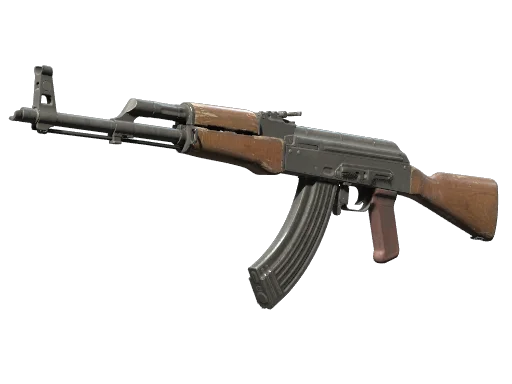
- AK-47 (Terrorist-Side): The undisputed king of raw stopping power. Its premier advantage is the ability to deliver a one-shot, fatal headshot against helmeted opponents, making it the ultimate dueling tool. While its spray pattern is challenging to master, players favor it for its unmatched lethality and cost-effectiveness. It’s the go-to choice for any T-side player looking to take aggressive fights.
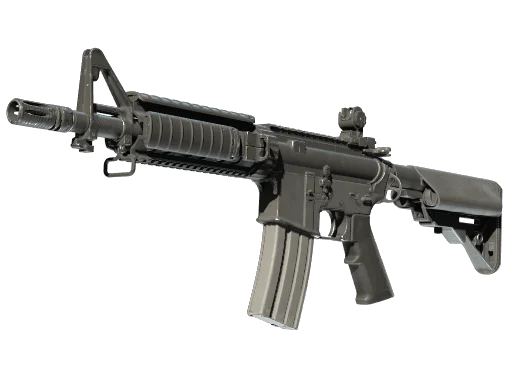
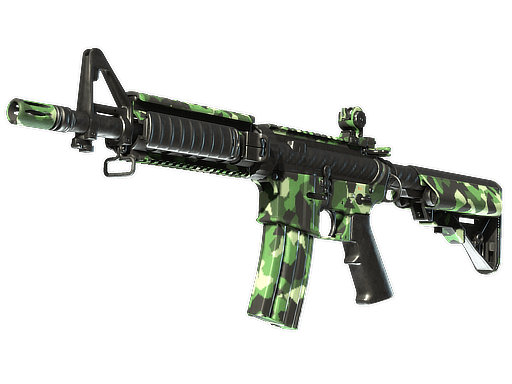
- M4A4 (CT-Side): A reliable workhorse known for its higher rate of fire and larger magazine. It excels in holding angles and spraying down multiple pushing opponents. It’s less punishing than the AK-47 but requires two shots to the head to kill armored foes, making precision aim absolutely critical.
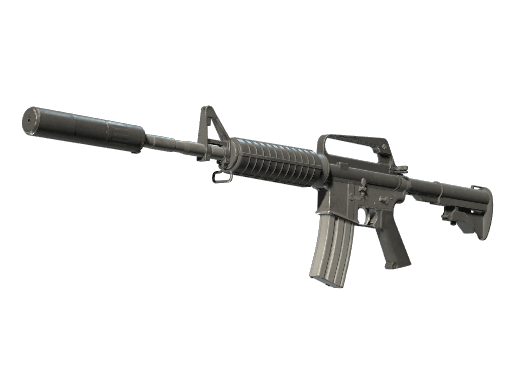
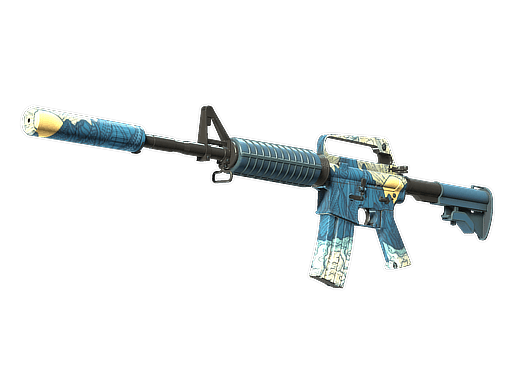
- M4A1-S (CT-Side): The silent alternative. This rifle trades a smaller magazine and slightly lower fire rate for an integrated suppressor. This removes bullet tracers, making it harder for enemies to pinpoint your location. It’s perfect for players who favor holding off-angles and playing tactically sneaky positions.
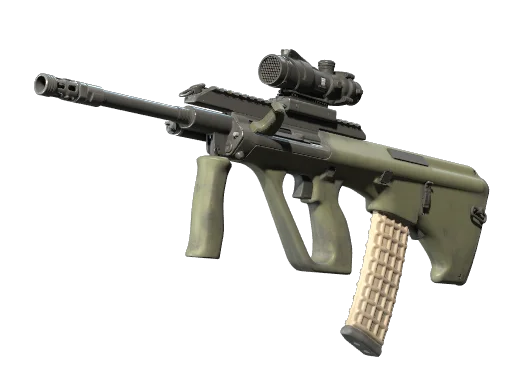
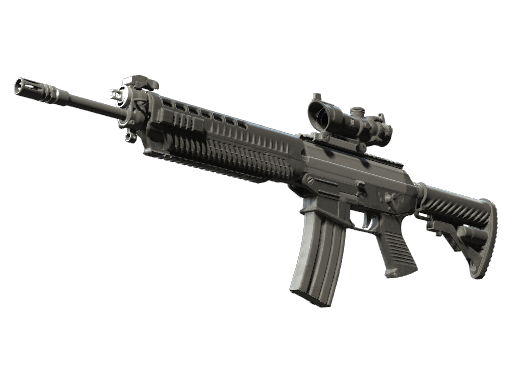
- AUG & SG 553 (The “Scoped Rifles”): These rifles offer a tactical scope for enhanced precision at medium to long ranges, making them exceptionally easy to use. They boast high accuracy and damage but come with a higher price tag and a movement speed penalty. They are a popular choice for players holding long sightlines.
SMGs: The Eco-Round Bullies
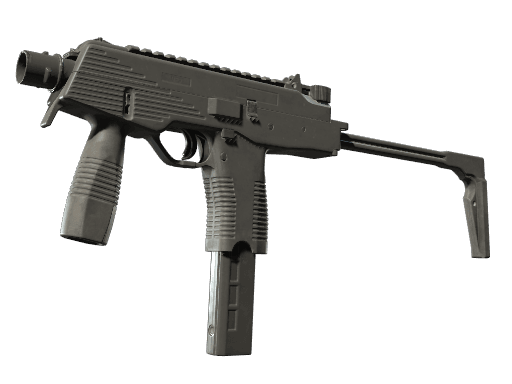
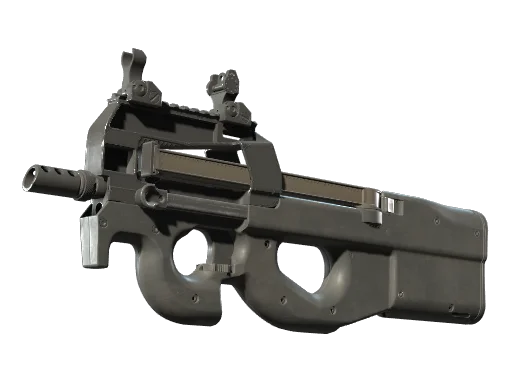
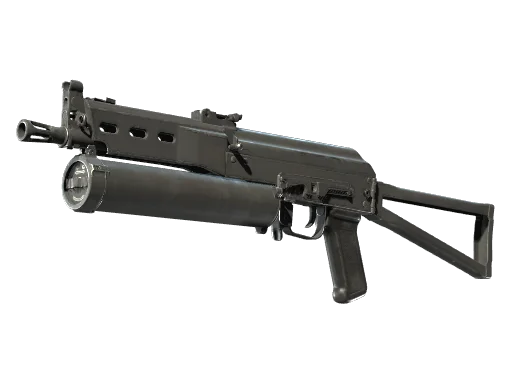
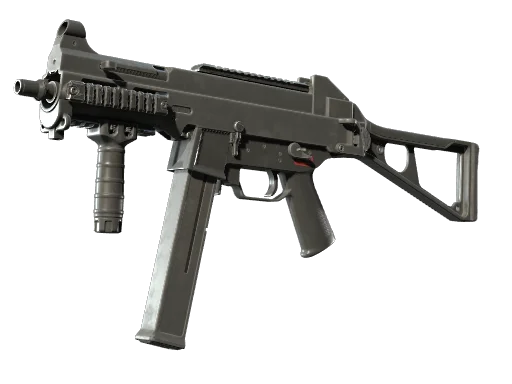
SMGs are designed for mobility and economic play. They dominate close-quarters combat against unarmored opponents but struggle significantly against rifles due to poor armor penetration.
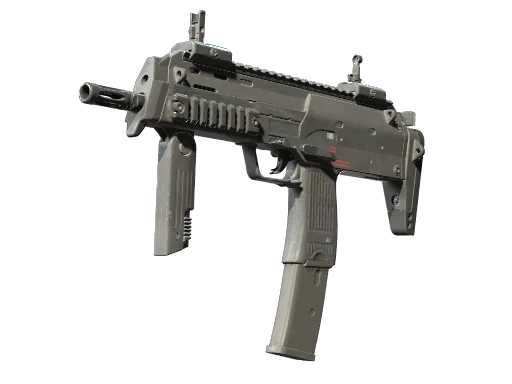
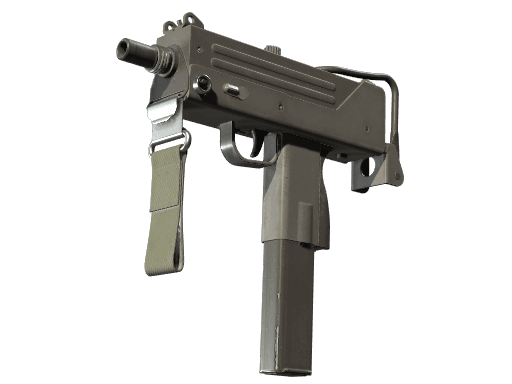
- MAC-10 & MP9: The quintessential run-and-gun tools. These weapons are incredibly cheap and allow you to move at near-maximum speed while firing with surprising accuracy. They are the perfect choice for force-buy or anti-eco rounds where you expect to face enemies without armor, allowing you to secure kills and build a bank bonus with their high kill reward.
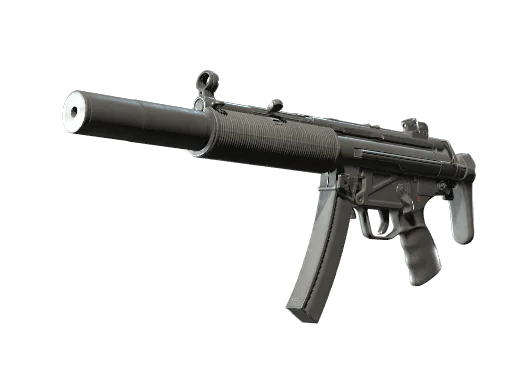
- MP5-SD: A more well-rounded SMG that behaves like a mini-rifle. Its integrated suppressor gives it the same sneaky benefits as the M4A1-S, and it maintains decent effectiveness against armored enemies at close range. It’s a solid, albeit expensive, option if you win the first round and want a weapon that can handle a mix of engagements.
Sniper Rifles: The Long-Range Kings
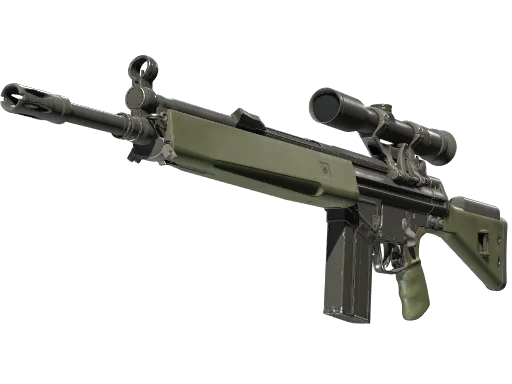
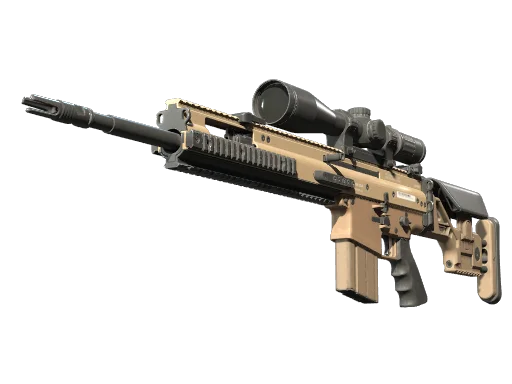
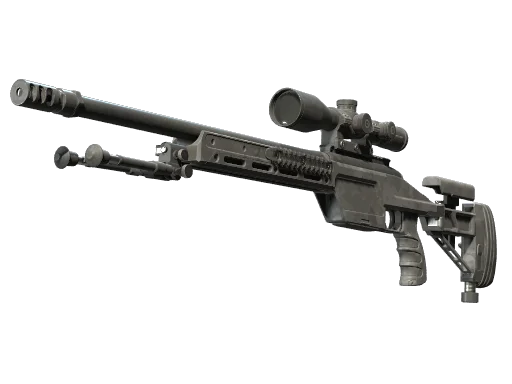
Snipers control vast areas of the map, punishing anyone caught in the open. They are high-risk, high-reward instruments that demand confidence and precision.
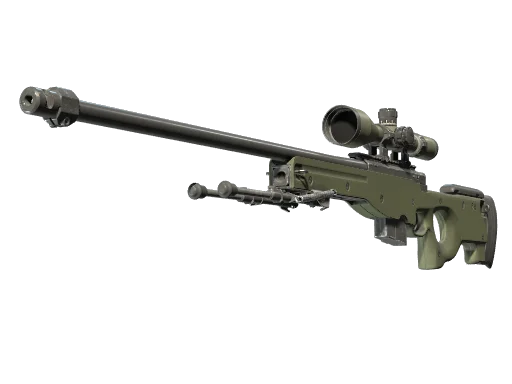
- AWP: The most iconic weapon in Counter-Strike. Its sheer power is legendary—a single shot to the body is almost always fatal. It dictates the pace of the game, forcing opponents to use utility and play carefully. Its slow handling makes you vulnerable, so positioning and team support are key. It’s the premier choice for any dedicated AWPer.
- SSG 08 (Scout): A highly mobile and affordable sniper rifle. While it doesn’t kill in one bodyshot against armored opponents, it is incredibly fast and accurate. It’s excellent for landing quick, damaging shots and quickly repositioning. It’s a popular force-buy weapon or a tool for aggressive, peeking styles on a budget.
Pistols: The Clutch Machines
Never underestimate a good pistol round. These sidearms are crucial for eco rounds and can often upset the economy if used skillfully. Optimizing your CS2 buy binds can ensure you get your preferred sidearm instantly.
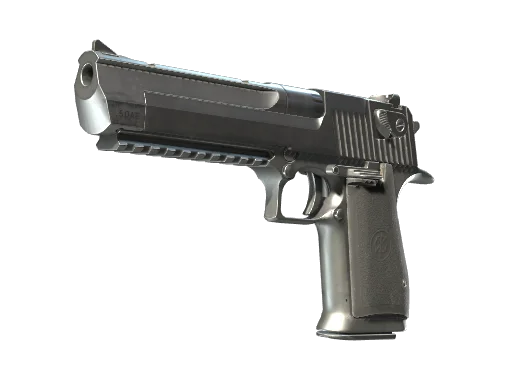
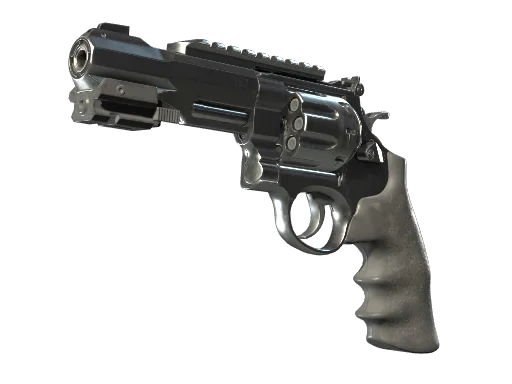
- Desert Eagle: The high-skill, high-reward pistol. It boasts massive damage, capable of a one-shot headshot at any range. Its low fire rate and small magazine demand absolute accuracy and calm under pressure. It’s the ultimate eco-round weapon for players who trust their aim to make a game-changing play.
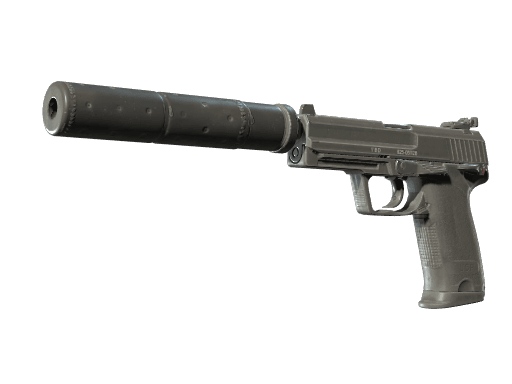
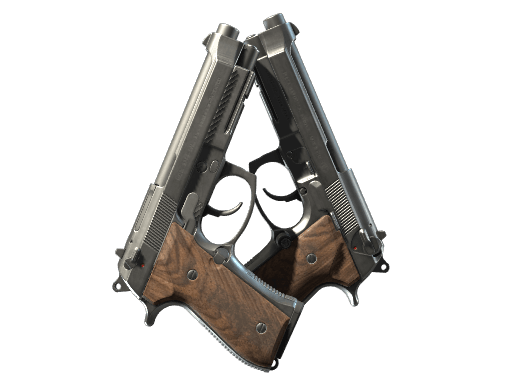
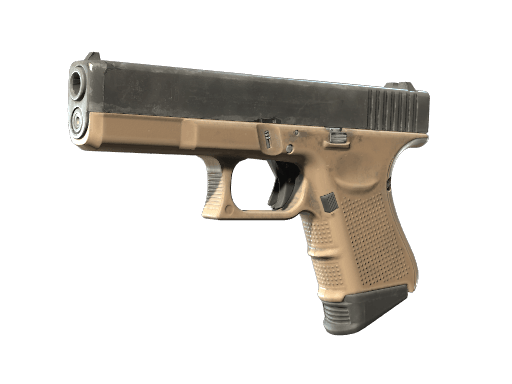
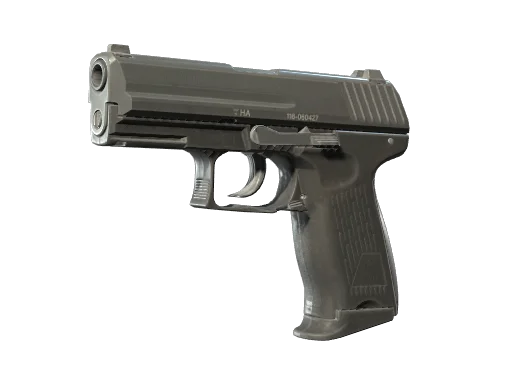
- Glock-18 & P2000/USP-S: The starting pistols. The Glock (T-side) has a larger magazine and a burst-fire mode for spammable close-range damage. The CT-side pistols are more accurate and precise, with the USP-S offering a silent option for picking off enemies without revealing your position. Learning how to equip USP-S in CS2 is a fundamental CT-side skill.
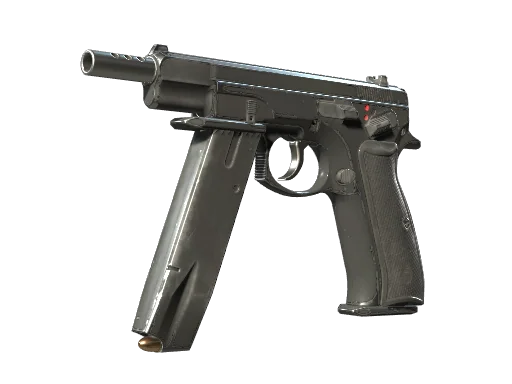
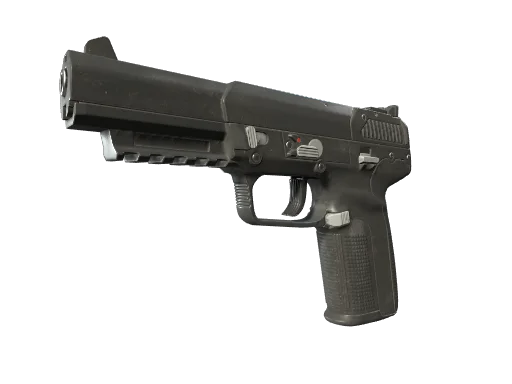
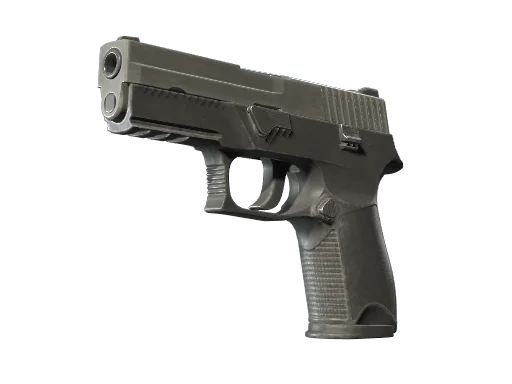
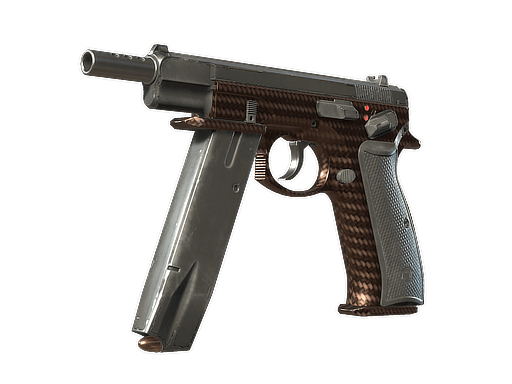
- P250 & CZ75-Auto: The eco-round staples. These pistols offer a significant power boost over starting pistols for a very low price. The P250 is a reliable one-tap headshot machine at close range, while the CZ75 functions like a mini-SMG, perfect for ambushing an opponent at close quarters.
Shotguns & LMGs: The Niche Specialists
These weapons have highly specific use cases but can be devastating in the right scenario.
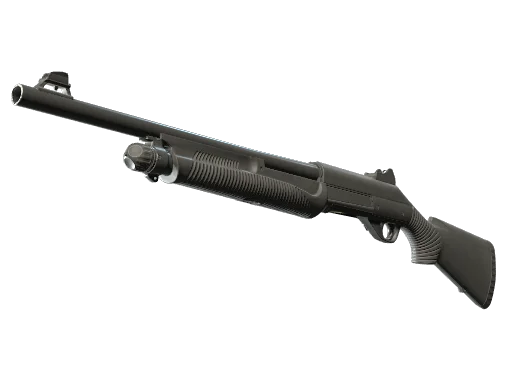
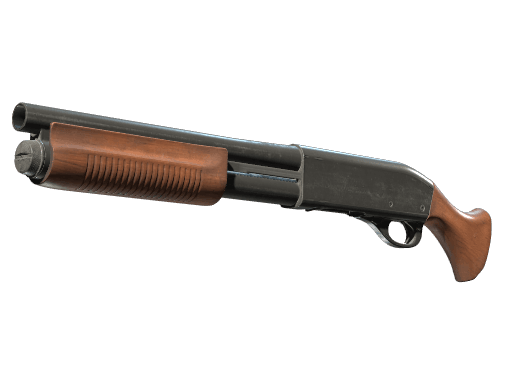
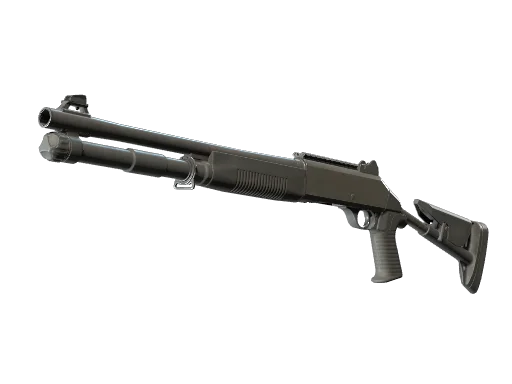
- NOVA & XM1014 (Shotguns): Extreme close-range specialists. Shotguns are lethal within a few meters but are utterly useless at any sort of range. They are a niche pick for holding tight corners on defense or for a surprise aggressive push on eco rounds. Their high kill reward can quickly fund a proper rifle.
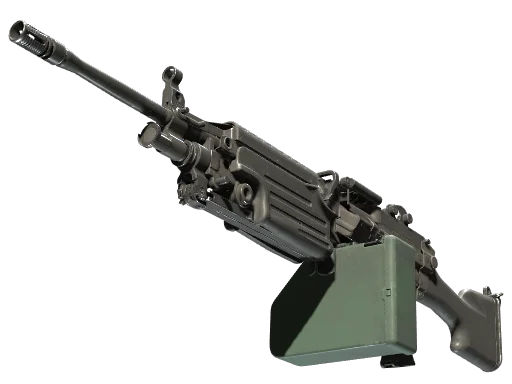
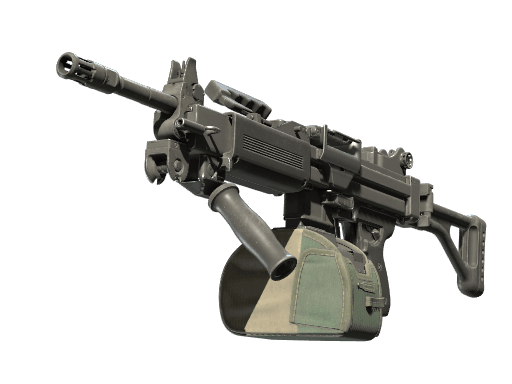
- M249 & Negev (LMGs): The masters of suppression. These weapons have massive magazines capable of laying down continuous fire, but they are expensive, slow to handle, and have wild, unpredictable spray patterns. They are rarely seen in serious play but can be fun for holding a single angle with a wall of bullets. If you’re curious about the ultimate spray weapon, our guide on how to buy the Negev in CS2 can show you how.
Advanced Stats and Hidden Game Mechanics
Beyond the primary numbers, deeper mechanics influence gameplay.
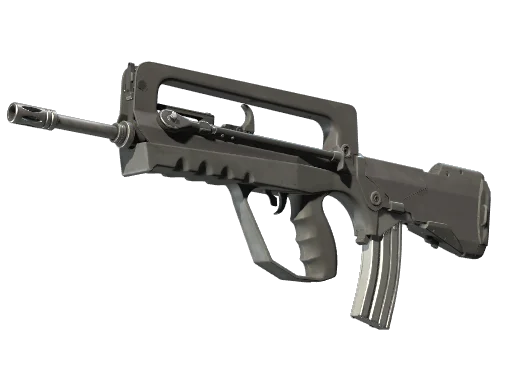
- Tagging Power: This stat determines how much an enemy’s velocity is reduced when you shoot them. High tagging power (on weapons like the FAMAS or SMGs) makes it harder for opponents to escape or reposition.
- Movement Penalty: This affects your running speed while a weapon is equipped. AWPs and LMGs have high penalties, while pistols and knives have none.
- Fire Modes: Many weapons offer alternate fire mode (burst / auto / semi), which can affect recoil, inaccuracy, and rate of fire. The M4A1-S’s silenced mode also removes tracers and reduces enemy audible range.
- Bullet Tracers: These visual cues can reveal your position. Understanding how to disable tracers in CS2 (or knowing which weapons lack them) can be a subtle tactical advantage.
Practical Application: How to Use Stats to Improve Your Game
Knowledge is useless without application. Here’s how to use these stats:
- Choose Engagements Based on Your Weapon: Don’t challenge an AWPer at long range with an SMG. Your damage falloff and inaccuracy will ensure you lose.
- Control Spray Based on Pattern: Don’t just pull down. Learn the specific recoil angle and amount for your preferred rifles. Practice the initial 10-shot burst until it’s muscle memory.
- Manage Economy Based on Kill Award: Prioritize weapons with a $300 kill award (rifles) on full buy rounds to maximize your income potential.
- Movement is Accuracy: Never fire while moving. The inaccuracy running value makes your shots wildly inaccurate. Stop, crouch for a split second, then fire for maximum precision.
For a broader view on how these weapons fit into the meta, consult our complete CS2 weapon tier list guide.
Conclusion: Stats Are the Foundation of Strategy
CS2 weapon stats are not just abstract numbers; they are the DNA of the game’s strategy. They inform every decision, from the $500 pistol you buy on an eco round to the angle you hold with a $4750 sniper rifle. By moving beyond a simple tier list and understanding the why behind each weapon’s performance, you elevate your gameplay from intuitive to intellectual. Master these mechanics, and you’ll not only shoot straighter but also think faster. To further refine your skills, consider analyzing your performance with a guide on how to check your CS2 stats.
FAQ Section
What is armor penetration in CS2?
Armor penetration is a percentage value that determines the amount of damage a bullet will deal to an opponent wearing Kevlar and a helmet. A penetration value of 50% means half of the bullet’s damage is blocked by armor, while a value of 90% (typical of rifles) means only 10% is blocked, making them devastatingly effective against armored targets.
How does damage falloff work?
Damage falloff is the mechanic where a weapon’s damage per shot decreases the further the bullet travels. Each weapon has a unique falloff curve. For example, an SMG might do full damage at 100 units but only half its damage at 500 units, making it ineffective at long range, while a sniper rifle has virtually no falloff.
What is the difference between inaccuracy and recoil?
Recoil is the predictable, learnable pattern your bullets follow after the first shot. Inaccuracy, however, is a random cone of potential bullet placement that applies to every shot, including the first. Factors like moving (inaccuracy running), jumping, or being on a ladder (inaccuracy ladder) drastically increase this cone, making your shots less precise regardless of your recoil control.
What does tagging power do?
Tagging power is a hidden stat that applies a slow effect to an enemy player when you shoot them. A higher tagging power means the enemy is slowed more significantly, making it harder for them to retreat to cover or swing out quickly on you. This is why hitting an enemy with an SMG often seems to “glue” them in place.
Which weapon has the highest rate of fire (RPM)?
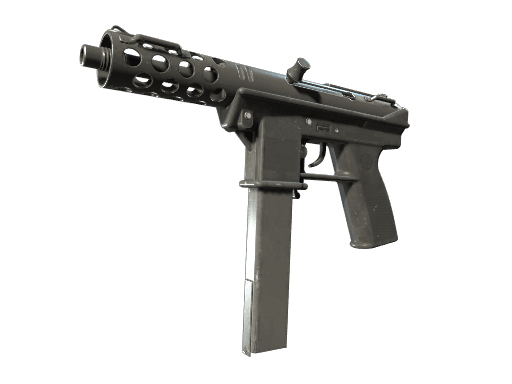
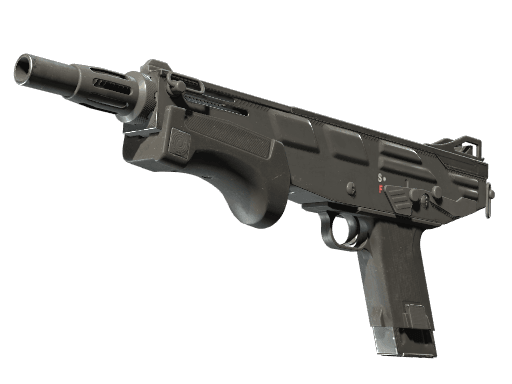
The Machine Pistol has the highest rate of fire of all primary and secondary weapons in CS2, firing at a blistering 900 rounds per minute. However, this comes at the cost of high recoil, low damage, and poor armor penetration, making it a niche weapon for extremely close-quarters spam.
What is a fatal headshot?
A fatal headshot is one that instantly kills an opponent, regardless of their remaining health. This is determined by the weapon’s damage value, its headshot multiplier, the target’s distance (due to damage falloff), and whether the target is wearing a helmet. The AK-47, for instance, can deliver a fatal headshot against a helmeted opponent at most practical engagement ranges.